If storytelling is the human way of creating a meaningful whole out of fragmented moments, then a crisis of meaning signals a crisis of story – in other words, a crisis of narrative. But how do we come up with stories? I do not mean this or that particular content, but the plots and combinations and variations and intertwinings of all the different bits of content – where does this all come from? Imagination.
Imagination creates the story that creates meaning. Different ways of imagining create different stories that create various meanings. Imagination is essential to our ability to create meaningfulness out of seemingly disparate details. These three – imagination, narrative, meaning – are connected, they need each other. If there is a crisis of meaning and, therefore, a crisis of narrative, then it makes sense to check in on imagination. A sense of meaninglessness might be a sign that our imagination is in need of caring attention.
These are thoughts-in-process, as I read and reflect on Richard Kearney’s book “On Stories”, published in 2002. One of the goals Kearney sets himself is to offer a philosophy of storytelling, to which he dedicates the final section of the book. I will write a separate post on it, but for now, here are some more thoughts-in-process.
What is so special about storytelling and imagination, why should we care? One suggestion is that viewing our ways of living and being in the world as stories can have a liberating influence. If we recognise that our ideas, concepts, political, economic, social, cultural institutions, laws and regulations, identity categories, and too many other ‘things’ to list them all – if we look at all these as stories, it could help us acknowledge that they are not ‘things that just are the way they are’ with some fixed essence. Looking at them as stories can help release our imagination to come up with and consider other, different ways of being. We might even recognise previously unnoticed aspects in ourselves.
Kearney calls this the narrative imagination. It allows us to envisage new ways of being in the world and, thus, releases the emotional tension of, say, fear or sadness – what is called catharsis. Since narrative and storytelling are closely related to art – indeed, some art forms are performing stories – I was reminded of Hans-Georg Gadamer’s take on art in his work “Truth and Method”. For Gadamer, art expands the being of what already exists by creating a new event of that being.
“A work of art belongs so closely to what it is related to that it enriches the being of that as if through a new event of being. To be fixed in a picture, addressed in a poem, to be the object of an allusion from the stage, are not incidental and remote from what the thing essentially is; they are presentations of the essence itself.”
Hans-Georg Gadamer, Truth and Method (2013)
keep exploring!
P.S. Thank you for visiting the humanfactor.blog! If you enjoyed this post and are interested in more philosophical content, I invite you to explore the blog, comment, like, and subscribe to get notified of new posts.
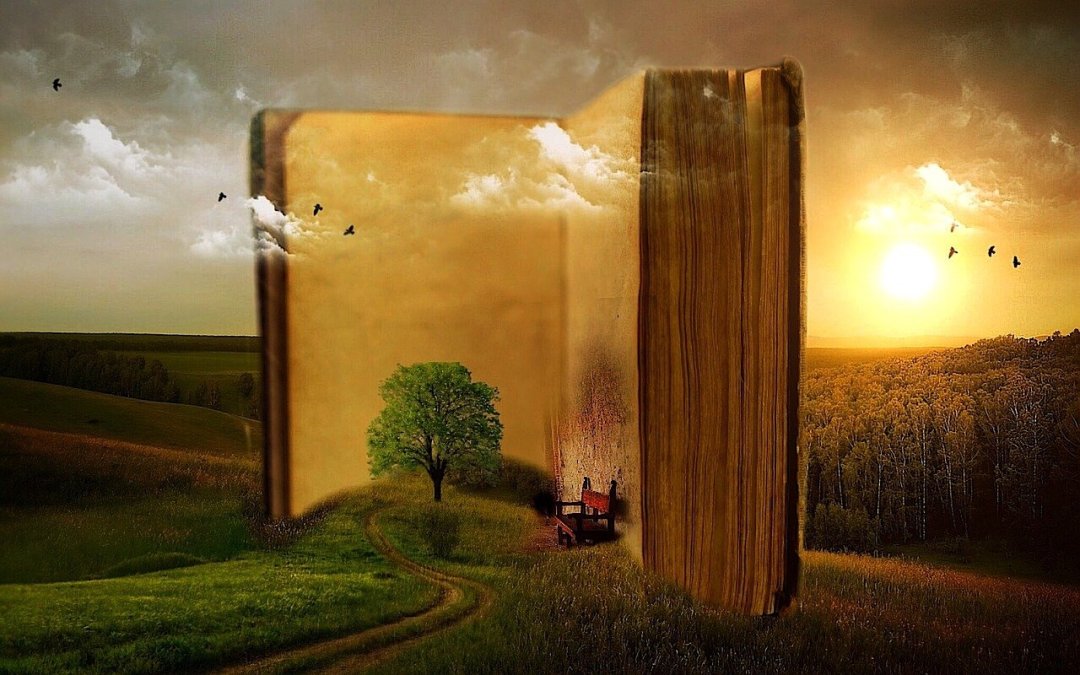
Featured Image Credit: Image by Mystic Art Design from Pixabay
 humanfactor
2 thoughts on “Crisis of Meaning as Crisis of Imagination”