As attractive as theories promising to explain everything may be, any theory that claims universality faces a critical challenge. This challenge is built into its very claim of universality and consists in the following.
A theory is elaborated and posited by someone, perhaps a group of people, maybe with the help of AI. No matter how many parties are involved (and whether they are only humans), the work of theorising is done from somewhere. I do not simply mean a geographical location, although that, too, plays a role. All thinking happens from a certain perspective. Even if many views are involved to avoid individual bias, the result is still a theory worked out from a specific position and hold on the world. Therefore, for a theory to be truly universal, it would have to be elaborated from a view that is either from everywhere or nowhere (which amounts to the same thing in this case). As long as we admit that, no matter how enhanced and advanced, we are finite, embodied and, therefore, situated beings, and a view from everywhere or nowhere remains out of our reach.
That is why the claims of a theory that posits its universality can sometimes feel empty once we inspect them closer. Being too detached from any situated context makes them, ultimately, less capable of explaining a variety of phenomena we might be interested in, even though the theory presents itself as universal – that is, able to explain everything.
Perhaps the allure of universal theories is in their promise to solve all problems with one solution. But if we are attracted by such promises, maybe it is worth asking ourselves – why are we drawn to simplicity and clarity, as opposed to complexity and multiplicity of meanings? Where does this wish come from?
keep exploring!
P.S. Thank you for visiting me here on the humanfactor.blog! If you enjoyed this post and are interested in more philosophical content, I invite you to explore the blog, leave a comment, like, and subscribe to get notified of new posts.
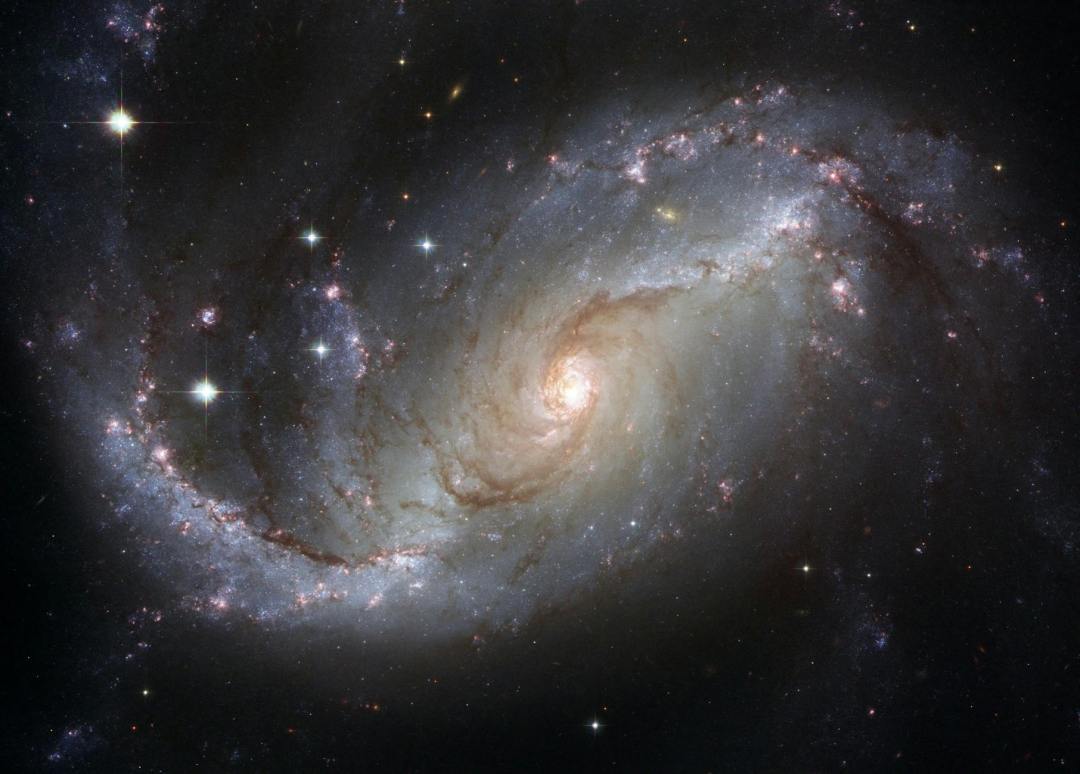
Featured image credit: Photo from Pexels
 humanfactor