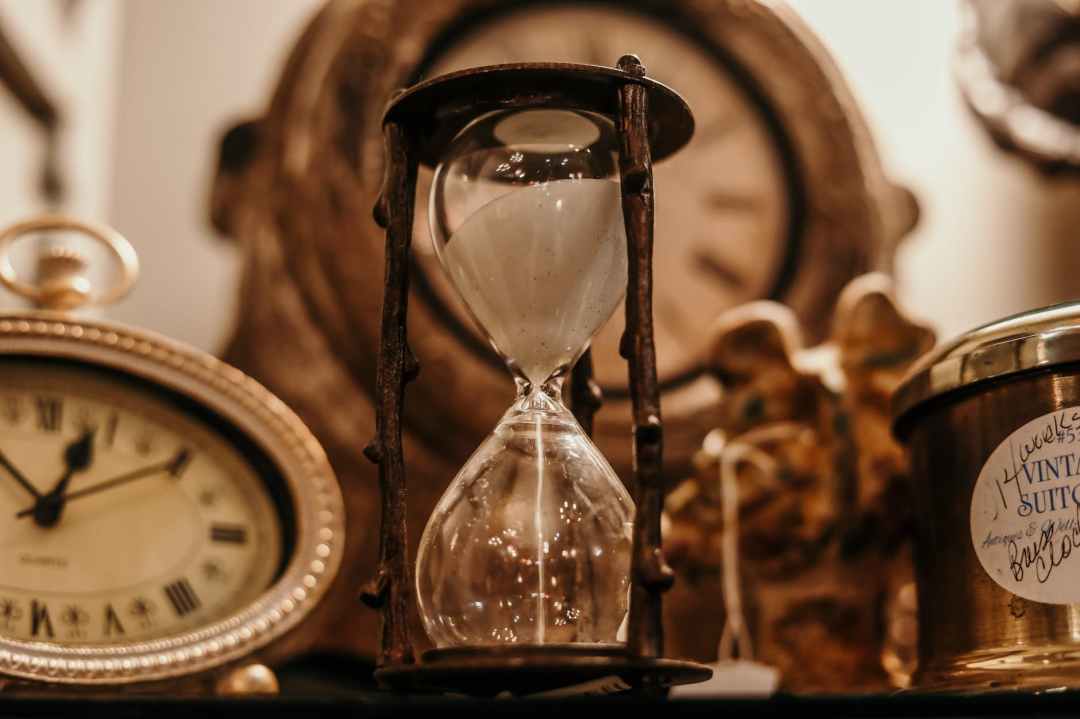
The way we experience time is subjective. Philosophers, especially phenomenologists, have recognised and offered their accounts of it at least from the late 19th and early 20th centuries. Our experience of time or the “lived-time” remains one of the fascinating directions of philosophical exploration. For example, in this article, the author suggests how the idea of la durée (duration) or lived time, suggested in the late 19th century by the French philosopher Henri Bergson, can help us understand why for many of us the flow of time felt slower during the COVID-19 pandemic.
Now, the latest research in the empirical sciences (cognitive neuroscience in particular) is showing that our subjective time perception is fundamentally embodied. Studies focusing on the person’s reported lived time and the measurements of their heartbeat reveal correlations, suggesting that our sense of time might be the experience of fluctuations in the body.
“Our bodies are constantly undergoing fluctuations, such as the beating of the heart, or activity in the brain. The sensing of these fluctuations could be what gives us the sense of time.”
Shayla Love
Link to the article: How ‘stirrings of the heart’ shape your experience of time

Keeping up the “Spreading the Word” tradition, I hope to share an insightful and mind-broadening article, podcast episode or video every weekend. Humans have always turned and returned to storytelling to find meaning. My end-of-week “Spreading the Word” posts are an online sharing of meaningful stories.
keep exploring and storytelling!
P.S. Thank you for visiting me here on the humanfactor.blog! If you enjoyed this post and are interested in more philosophical content, I invite you to explore the blog, leave a comment, like, and subscribe to get notified of new posts.
Featured image credit: Photo from Pexels
 humanfactor